
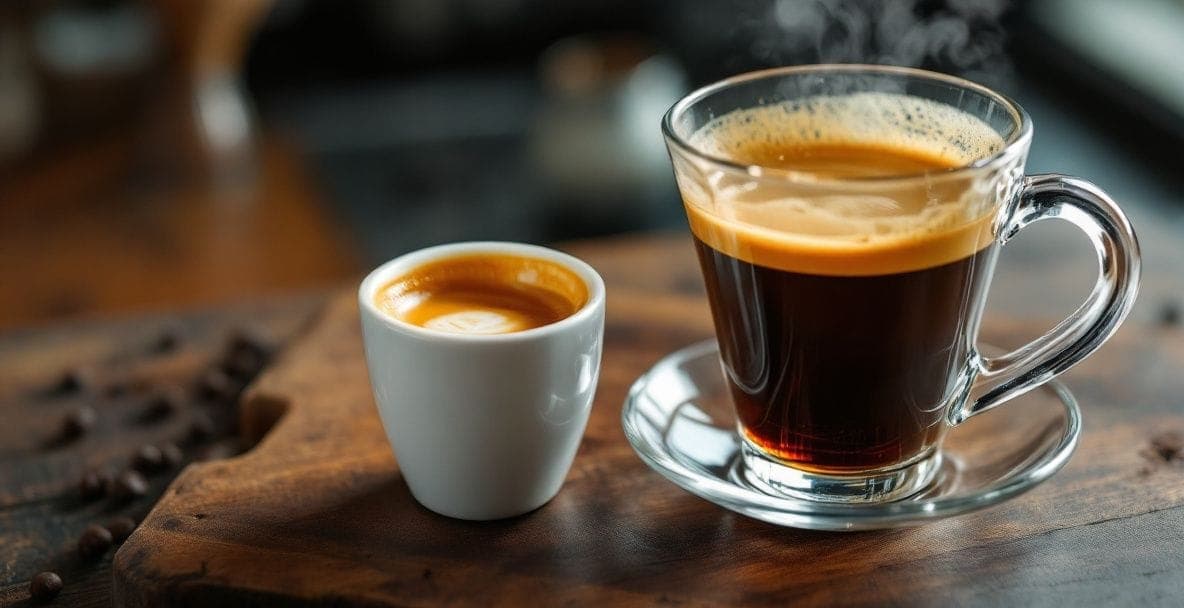
There is a question I hear almost daily, asked with the particular sincerity of someone standing at the counter, unsure whether they want something small and fierce or something long and gentle: what is the difference between espresso and coffee? The honest answer is that espresso is coffee - but the way it is made changes almost everything about what arrives in the cup. Grind, pressure, water, time: these four variables are the whole story, and yet within them lives an entire philosophy of drinking.
I have spent enough mornings behind this counter to know that the question is rarely just technical. People are really asking which ritual suits them. Do you want the quick, concentrated punctuation mark of an espresso shot, or the slower unfolding of a brewed cup that asks you to sit a while? Neither is superior. They are simply different instruments playing the same note.
What Is the Actual difference between espresso and coffee?
The core difference between espresso and coffee lies in the brewing method, not the beans. Espresso is made by forcing hot water through finely-ground, tightly packed coffee at roughly nine bars of pressure, extracting a small, concentrated shot in about 25-30 seconds. Regular coffee - whether poured over, dripped, or steeped - uses gravity or time instead of pressure, with coarser grounds and a much longer contact between water and grain.
That distinction in pressure is everything. It is why espresso emerges thick, syrupy, crowned with crema, while a pour-over arrives clear and articulate, its flavors spread out like sentences instead of compressed into a single exhale. Same origin, same farmer, same harvest sometimes - and still two entirely different creatures by the time they reach your hands.
Grind Size and Its Quiet Consequences
Grind size is arguably the single most consequential decision in either method. Espresso demands a fine, almost powdery grind because the water only has seconds to do its work, and fine particles offer more surface area to extract from quickly. Coffee brewed by drip or pour-over uses a coarser grind, because the water lingers for minutes rather than seconds, and a fine grind in that context would over-extract into bitterness.
I think of grind size the way I think of a conversation’s pace. Espresso is a fast, dense exchange - everything said at once, nothing wasted. Filter coffee is a longer walk, unhurried, room to breathe between thoughts.
Pressure, Time, and Concentration
Pressure is what separates the two methods at a mechanical level, and it is directly responsible for espresso’s concentration and crema. Roughly nine bars of pressure compress an extraction that would otherwise take minutes into half a minute, pulling oils and fine particulates into suspension that create that caramel-colored foam on top.
Brewed coffee, lacking that pressure, relies instead on time and volume - more water, longer contact, a gentler hand. Neither is more “pure” than the other; they are simply two different translations of the same bean, one written in shorthand, one in longhand.
Does Espresso Have More Caffeine Than Coffee?
Ounce for ounce, yes - espresso is more caffeine-dense. But a standard serving of drip coffee often contains more total caffeine than a single or even double shot of espresso, simply because the serving size is larger. A shot of espresso is roughly one to two ounces; a cup of brewed coffee is typically eight to twelve.
This surprises people almost every time, and I understand why - espresso feels stronger, more immediate, more like an event. But strength of flavor and strength of stimulant are not the same measurement. If you are counting caffeine milligrams rather than sensory intensity, that twelve-ounce pour-over sitting quietly at your table may be doing more than the shot did.
Flavor, Body, and the Feeling of Each Cup
Espresso delivers concentrated, syrupy intensity with layered bitterness and sweetness compressed into a small volume, while brewed coffee offers a lighter body with flavors that unfold more slowly across the palate. Neither is a lesser version of the other - they are simply built for different kinds of attention.
I’ve always felt that the quiet geometry of a morning pour-over rewards patience the way a slow film rewards a patient viewer. The bloom rises like a slow sigh, and what follows - the citrus notes, the florals, the long fading sweetness - arrives in movements, not all at once. Espresso, by contrast, is closer to a single held chord. It doesn’t ask you to wait. It asks you to notice everything simultaneously.
Why Espresso Feels Heavier on the Tongue
Espresso feels heavier because of emulsified oils and micro-fine particulates suspended in the crema, giving it a viscosity that filtered coffee simply doesn’t have. Paper filters, by design, catch most of those oils and solids, leaving behind a cleaner, lighter-bodied cup.
This is part of why espresso is the backbone of milk-based drinks - its density holds its own against steamed milk in a way that drip coffee cannot. If you have ever wondered why a flat white tastes different from a latte poured over standard filter coffee, the answer lives partly in the surface tension of microfoam sitting atop that concentrated shot, each bubble reinforcing rather than diluting what’s underneath.
Brewing Equipment: Why the Machines Matter
The equipment used is what actually enforces the difference between espresso and coffee - pressure versus gravity is a hardware distinction, not just a technique one. An espresso machine is engineered to generate and sustain nine bars of pressure through a tightly-packed puck of grounds, something no drip machine, French press, or pour-over setup is built to do.
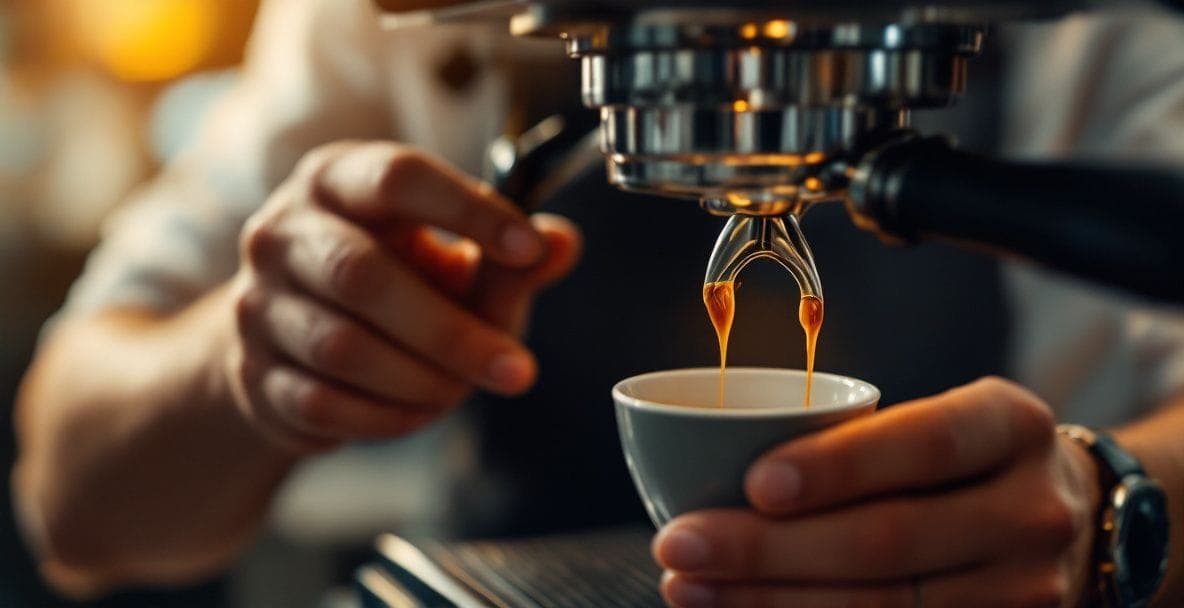
This is where craft becomes physical. I’ve written before about the weight of the portafilter - how the tamp, the lock-in, the group head all conspire toward a single 25-second window. There is no equivalent tension in pouring water over a filter cone. That method has its own discipline, its own quiet demands of pour rate and bloom timing, but it does not carry the mechanical urgency of espresso extraction.
Which One Should You Choose?
Neither espresso nor coffee is objectively better - the right choice depends on how much time you have and what kind of experience you’re seeking. Espresso suits a short, deliberate pause: something dense and immediate, whether taken alone or built into a cortado or cappuccino. Brewed coffee suits a longer sitting, a conversation, a morning that has nowhere urgent to be.
I notice, working this counter in West Village, that regulars often order differently depending on the day, not the drink. An espresso before a meeting. A slow pour-over on a Sunday with nowhere to be. Coffee, in either form, is a ceremony, not a transaction - the format simply changes with the shape of your morning.
A Note on Roast and Bean Choice
The bean itself doesn’t have to change between espresso and drip coffee, but roast profile often does, and for good reason. Many roasters lean toward a slightly darker roast for espresso, since the intensity of pressure extraction can highlight acidity that a lighter roast would otherwise showcase beautifully in a pour-over. That said, this is convention, not law - plenty of specialty roasters now pull espresso from lighter, more acidic beans to highlight fruit and floral notes rather than chocolate and caramel.
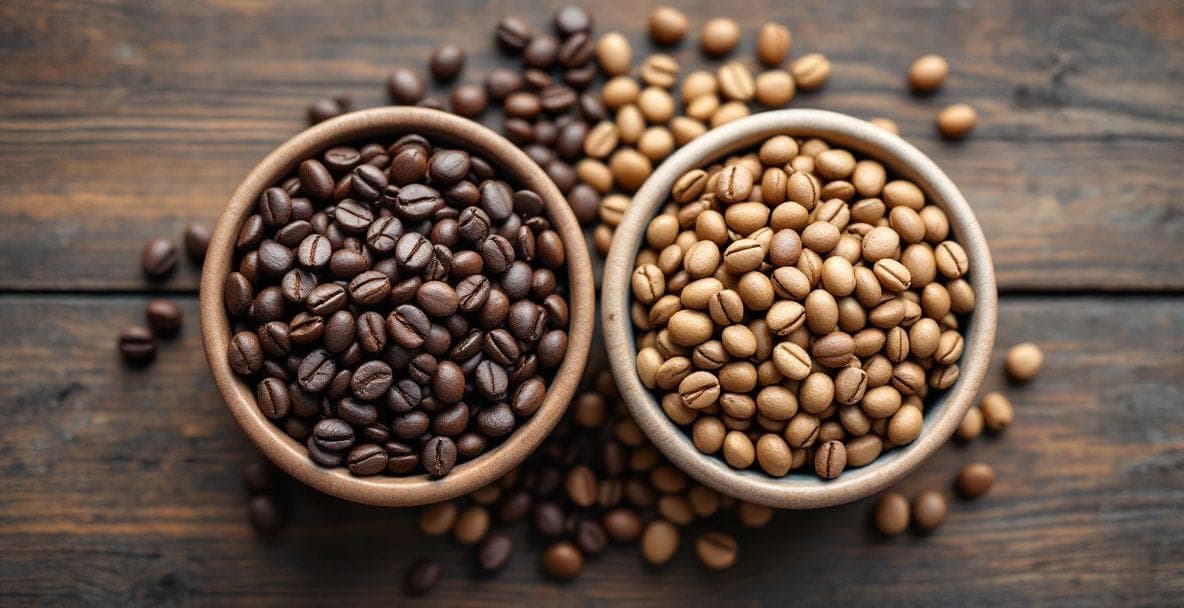
What matters more than roast level is freshness and grind consistency, both of which affect espresso far more dramatically than drip coffee, given how little time the water has to correct for imperfection. A day-old grind can ruin a shot in ways it might only mildly dull a pour-over.
The Room Around the Cup
I’ve come to believe that the difference between espresso and coffee is not really about chemistry at all - it’s about the kind of room each drink asks you to sit in. Espresso asks for a counter, a brief exchange, a moment held upright. Coffee asks for a chair, a window, morning light rather than morning noise. New York does not lack coffee shops. It lacks rooms - and perhaps that’s the real reason people keep returning to whichever ritual feels most like their own. If that sounds like the kind of pause you’ve been missing, our space was built with exactly that absence in mind.
Frequently Asked Questions
Is espresso just stronger coffee?
Not exactly - espresso isn’t simply “stronger” coffee, it’s a different extraction method entirely, using fine grounds and high pressure to create a concentrated, syrupy shot. Strength in flavor doesn’t necessarily mean more caffeine, since serving sizes differ dramatically.
Can you make espresso without an espresso machine?
Not truly, no. True espresso requires roughly nine bars of sustained pressure, which stovetop moka pots and manual devices only partially approximate. They produce strong, espresso-like coffee, but not espresso in the technical sense.
Does espresso taste more bitter than regular coffee?
It can, but bitterness in espresso is typically balanced by concentrated sweetness and body, whereas over-extracted drip coffee can taste flatly bitter without that same complexity. A well-pulled shot should taste balanced, not harsh.
Is a latte made with coffee or espresso?
Lattes, cappuccinos, flat whites, and cortados are all built on espresso, not drip coffee. The concentrated shot is essential to hold its character against steamed milk.
Which has less acidity, espresso or coffee?
Espresso generally reads as less acidic on the palate, largely because its heavier body and darker roast tendencies mask acidity, while lighter-roasted pour-overs often showcase it as a deliberate flavor note rather than a flaw.